Starflower: A light in the darkness
I discovered the magic of starflower on a recent spring morning. It turns out that it has potent medicine for our times.
Starflower is quite a courageous plant that can transform rocky, undernourished soil into a flourishing garden. In her physical form she nurtures the critters who help gardens to grow, and guards against those who would do them harm. Her spirit is at once soothing and empowering. She’s a perfect plant to turn to when familiar things are falling away and you find yourself navigating rocky or uncertain terrain.
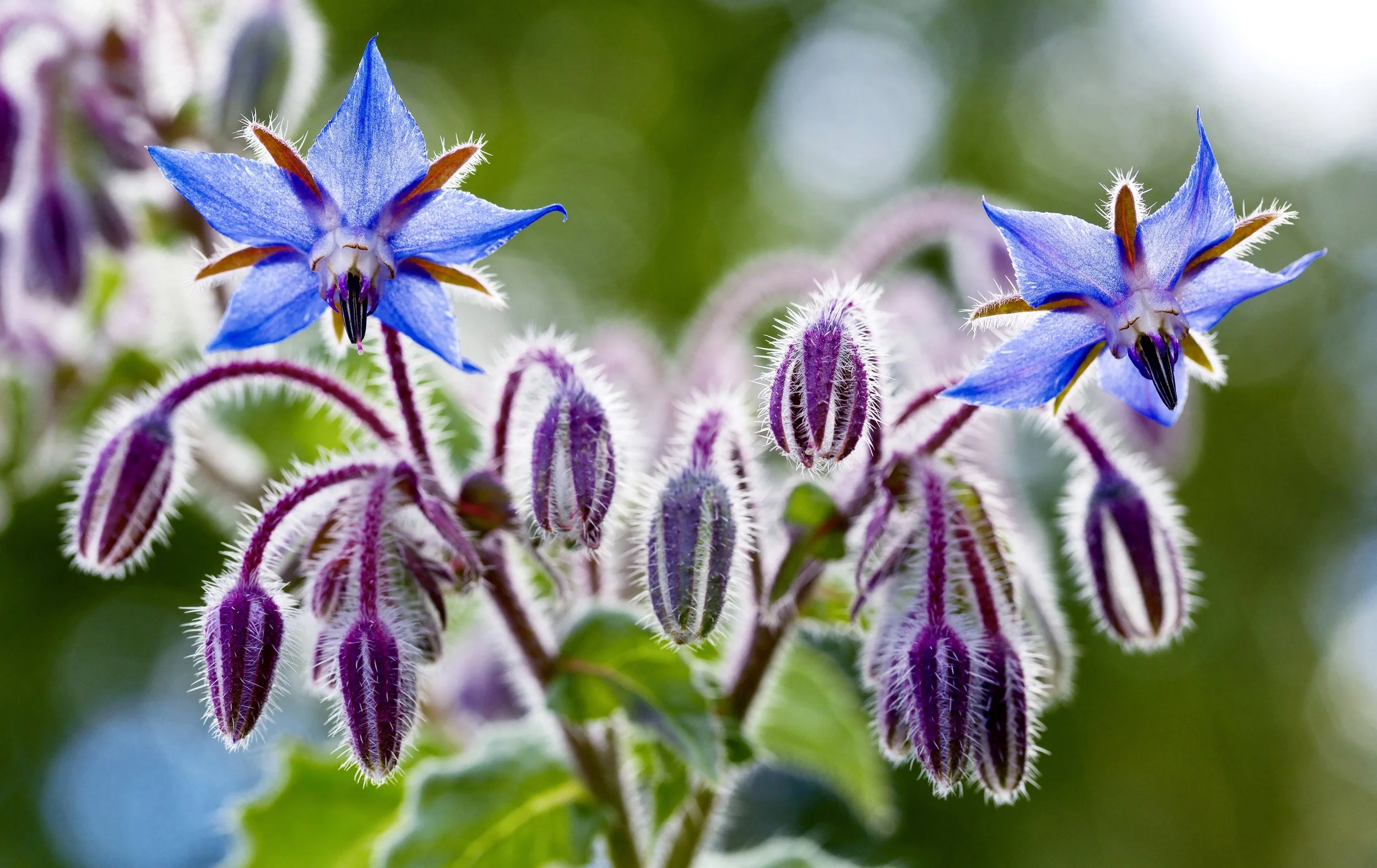
On the morning that I discovered starflower, my head was full of distressing news stories. The news was talking about familiar institutions being hollowed out and inequities rising up and taking center stage. I felt as though callous disregard had invaded our collective garden and was tromping about unrestrained.
Despite the fears floating around me, I couldn’t help but notice that the natural world was celebrating the emergence of spring. The bees danced figure eights above their hive. A soft breeze drifted through my yard, carrying with it the intoxicating scent of jasmine. Little brown wrens chirped and hopped among the newly green leaves of the elm tree.
I felt as though the human world was a separate realm entirely, sitting on top of and apart from the exuberance of the natural world. I decided to bridge the gap and turn to the plants for perspective. I love to see what plants are growing around me, and to experience the intelligence of those plants. But on that day, I decided to put out a call for a specific type of plant medicine. I didn’t want to feel buffeted about by news cycles and I didn’t want to feel boxed in by fear. I entered into a meditation with the plant nations and asked to be introduced to a plant that carries the medicine of courage and consistency.
As always, the exact right plant made itself known. In the space of my meditation, I had an image of starlight emerging through a curtain of darkness. As the starlight drew closer and enveloped me, I immediately felt calmer. My breath expanded and flowed more easily through my body. The energy of the starlight felt ancient, loving, and fierce all at once. It felt like a spirit that had been through more wars than the earth has ever known but also more growth and discovery.
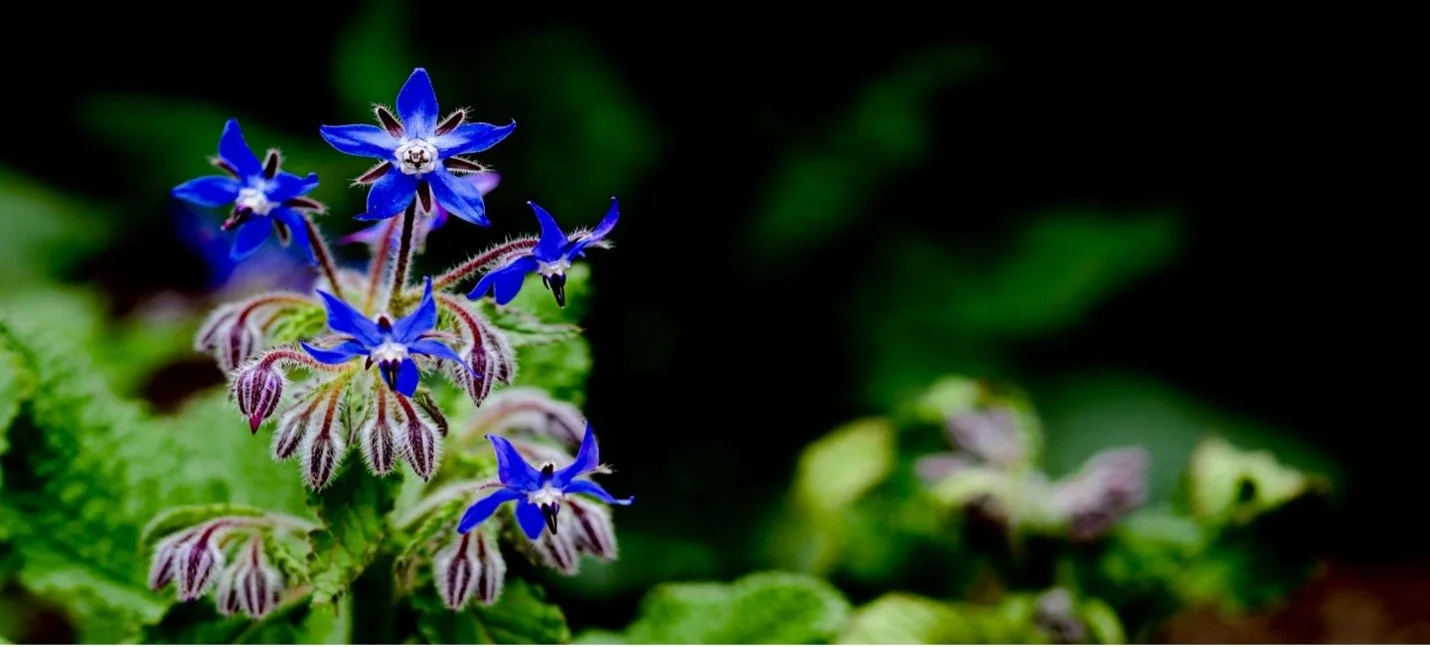
Later, just as I was emerging from my meditation, I heard the word “starflower,” being whispered in my ear. I wasn’t familiar with starflower at the time. I frankly wasn’t even sure there was a plant named starflower. But, when I googled it, I discovered that starflower is simply another name for the plant I know as borage. The Latin name for borage - borago - is said to originate from the word “corrago,” or courage. Its Celtic name is “borrach,” which likewise translates to courage. I had asked to meet a plant that carried the medicine of courage and consistency in turbulent times, and amazingly a plant named courage appeared.
I’ve since discovered that people have been turning to starflower, or borage, for thousands of years. Ancient Celts used to drink starflower tea for courage before going into battle. They even consecrated their weapons with starflower. According to some legends, Helen of Troy was given starflower to ease the emotional anguish she experienced during and after the tumult of the Trojan war. How appropriate that it came to me just when I was feeling worried about the tumultuous state of our human collective.
In my meditation, starflower reminded me that there is power in sitting in the void when familiar things are falling away. Many of us are conditioned to fear darkness and stillness. But the void isn’t just a place of darkness. It’s a place of potential. Starflower showed me an image of the darkness resolving itself into building blocks. Those building blocks then coalesced to form new structures. She was reminding me of the new creations that emerge from the void on the other side of change and uncertainty.
Starflower herself excels at bringing new worlds into being. She has a unique gift for creating and nurturing gardens out of seemingly empty space. She has a deep taproot that reaches into the earth and pulls up nutrients from deep beneath surface. She also sheds quite a lot of biomass. As the biomass decays, the deep earth nutrients in her leaves and stems are transferred to the surface of the soil, so that other plants may thrive.
Bees and other pollinators flock to starflower. In fact, in addition to borage, starflower also goes by the name of bee bush. Amazingly, starflower replenishes her nectar stores in a matter of minutes. Most flowers that are visited by bees take about 24 hours to replenish their nectar. But starflower replenishes herself over and over again, minute by minute, so that pollinators and pollinated plants thrive.
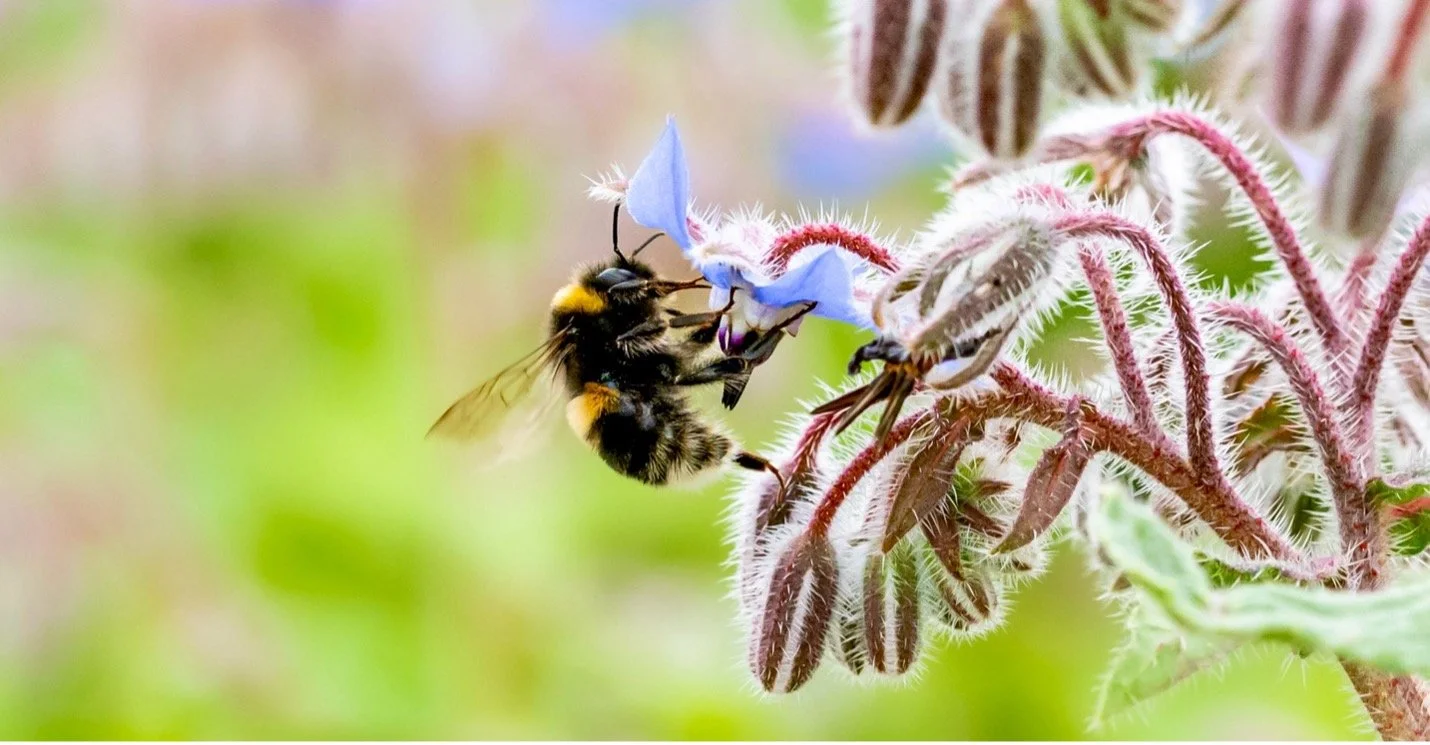
The protective embrace I felt when sitting with the intelligence of starflower shines through in her physical presence as well. Her fuzzy, rather prickly looking leaves and stems effectively double as a shield and a sword. Even though the “prickles” are actually soft, they can be irritating to the skin, and their appearance deters large predators. At the same time, the fuzzy leaves create a safe space that allows tiny helpful critters to thrive. Lacewings, for example, like to hide their eggs in the soft folds of starflower’s leaves. Once hatched, lacewings set about munching on aphids and other pests that could otherwise wreak havoc on a garden. With big predators kept out and mites kept at bay, gardens around starflower thrive.
Given all that, it’s not surprising that I felt connected and resourced when I emerged from my meditation with starflower. Starflower is a great resource to turn to if you find yourself navigating change or needing courage. You can reach out to her in a meditation or invite her into your dreams. All parts of starflower are edible, so you can also try making a nourishing tea or adding starflower leaves and flowers to salads or pasta dishes. The leaves have a bright, crisp taste, somewhat similar to that of cucumber.
To make starflower tea, simply chop up leaves and flowers and let them steep in hot water. Dried borage leaves and flowers are also readily available to order, if you don’t have fresh flowers on hand. The dried flower parts will have more potency, so you may want to steep them for a lesser amount of time. Enjoy!
